



















What Are International Debt Collection Laws?
International debt collection refers to the process of recovering debt when the creditor and the debtor are located in different countries. Unlike domestic debt collection, where there is one single legal framework, international cases involve multiple legal systems, regulations, and cross-border enforcement challenges.
In short:
- There are no global debt collection laws that apply universally in every country.
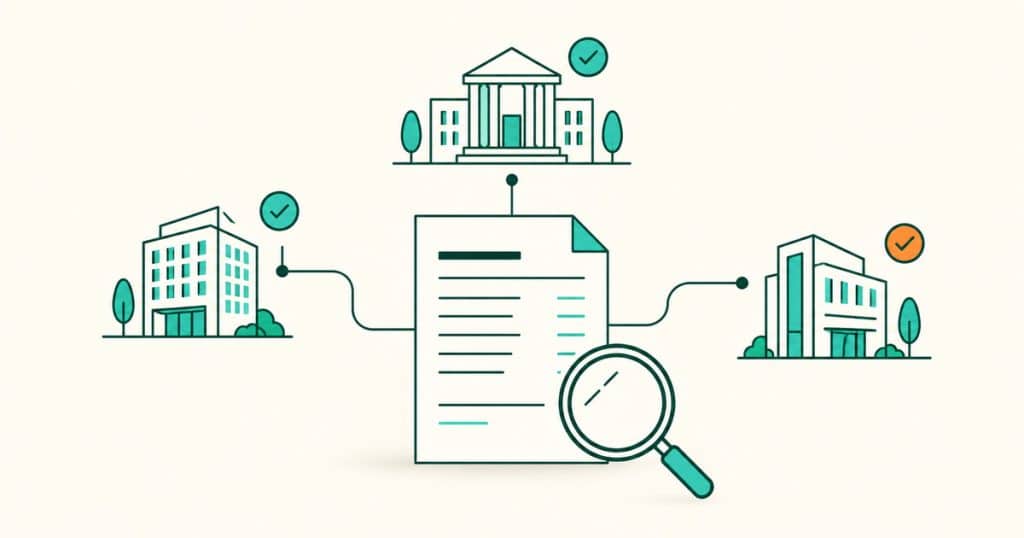
- Instead, local national laws apply, meaning you must follow the rules of the debtor’s country.
- In many jurisdictions, debt collection agencies must also be licensed locally to operate legally.
Why No Universal International Laws Exist
Unlike treaties for trade or intellectual property, there is no single multinational treaty that regulates debt collection practices across the world. Each country’s legal system decides:
- What steps a creditor must take before escalating a claim
- How debt collectors may contact debtors
- What legal remedies are available in court
- How judgments are enforced across borders
This decentralised approach protects local debtors and ensures that each jurisdiction’s legal norms are respected.
Core Rules That Do Affect Cross-Border Collection
While there’s no international law, most national systems share a few common principles:
1. Local Laws Apply
You must follow the law of the country where the debtor resides — including civil procedure, deadlines, and statutory limitation periods.
2. Authorization and Licensing
Many countries require collection agencies to be officially registered or licensed before engaging in debt collection activities.
3. Fair Treatment of Debtors
Most legal systems prohibit abusive or threatening conduct during debt collection, requiring a respectful approach toward debtors.
4. Documentation Requirements
In many countries, formal documentation/authority is required to validate that the collector has the right to pursue the claim.
How International Debt Collection Typically Works
Although processes differ, most debt collection cases follow a similar escalation path:
Phase 1 — Amicable Collection
The first step is usually an attempt to reach a voluntary payment agreement through invoices, demand letters, or negotiation.
Phase 2 — Legal Actions
If amicable methods fail, you may need to pursue legal remedies according to the debtor country’s laws — including court proceedings, payment orders, or arbitration.
Phase 3 — Enforcement
Once you have a legal judgment, you may need to enforce it in the debtor’s country. Enforcement may require local bailiffs, asset seizure, or cooperation under bilateral treaties.
Important Considerations by Region
United States – In the U.S., debt collection is strongly regulated with consumer protection laws like the Fair Debt Collection Practices Act (FDCPA), which bans harassment and outlines allowable collector conduct. Learn more about Debt Collection in the United States.
Europe – Within the EU, there are some shared tools — such as the European Payment Order — that simplify cross-border claims for uncontested debts, but each member state still applies its own procedures. Learn more about Debt Collection in Europe.
Other Regions – Outside the EU and U.S., national procedures vary widely, and often the safest approach is to partner with a local expert familiar with the local civil code, enforcement mechanisms, and cultural norms. Learn more about Debt Collection in other regions.
Arbitration and Contractual Safeguards
For many international contracts, embedding arbitration clauses with clear dispute resolution rules (e.g., under New York Convention standards) can make collection easier and more enforceable internationally.
Adding choice of law clauses in contracts — such as specifying which country’s law governs disputes — gives creditors a predetermined framework for international debt recovery.
Common Challenges in Cross-Border Debt Collection
International collections are inherently more complex due to:
- Legal complexity across jurisdictions
- Language and cultural barriers
- Different business practices and negotiation norms
- Different enforcement and bankruptcy systems
For these reasons, many businesses rely on specialised agencies or local legal counsel.
Why Professional Help Often Pays Off
Handling international debt collection on your own increases the risk of costly mistakes. Lawyers and collection agencies with cross-border experience offer:
- Knowledge of local laws and deadlines
- Documentation and translation support
- Expertise in enforcement procedures
- Structured negotiation strategies
There’s no universal international debt collection law that applies in every country — and that’s why this field requires a deep understanding of local legal systems, licensing requirements, and enforcement mechanisms.
By structuring your article in a way that answers real reader questions, includes practical steps, and compares different jurisdictions, you’ll improve both reader engagement and organic search performance.
By using services like Oddcoll you can get help with local experts with debt collection world-wide, contacts us today and get free consultation.