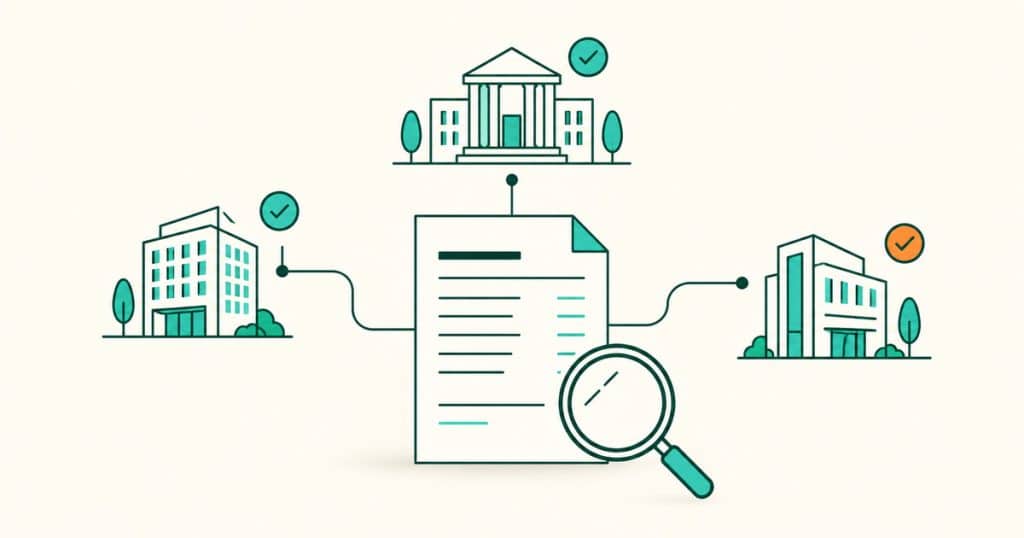






















Unpaid invoices are a persistent headache for businesses of all sizes. When you’re dealing with commercial debt collection, the stakes are even higher, especially when your clients are located across borders.
While many businesses successfully recover debts on their own using proven techniques, international debt collection introduces additional layers of complexity, from navigating foreign legal systems to understanding cultural differences in business practices.
The good news? With the right approach, you can significantly improve your chances of getting paid, whether you’re pursuing debts domestically or internationally.
Here are five techniques that form the foundation of effective debt collection strategies.
1. Communicate early and clearly
Transparent communication is the cornerstone of successful debt collection. The moment you establish a business relationship, set firm payment terms and make sure your client understands them completely. When payments become late, follow up politely but promptly, rather than letting weeks slip by.
One often-overlooked step is confirming receipt of invoices. A simple “Did you receive our invoice?” email eliminates the common excuse of “I never saw it.” This creates accountability and removes ambiguity from the process.
When dealing with outstanding debts, it’s crucial to consider these communication best practices:
- Set clear escalation deadlines in your initial follow-up (“If we don’t receive payment by [specific date], we will need to escalate this matter”)
- Document all communication for your records
- Maintain a professional tone even when frustrated
Additionally, when dealing with international debt collection, remember that communication styles vary significantly across cultures. What’s considered assertive in one country might be perceived as aggressive in another, so adapt your approach based on your debtor’s location.
2. Use structured payment reminders
A systematic reminder system is one of the most effective debt collection techniques available. Rather than sending random emails whenever you remember, create a structured sequence that escalates appropriately over time.
Your reminder strategy should incorporate multiple channels:
- Email reminders with clear subject lines, see your payment reminder templates.
- Phone calls for personal connection
- SMS messages for immediate attention
- Formal postal letters for official documentation
- Messaging apps, where culturally appropriate
The key is escalation. Your first reminder might be a friendly email, while subsequent attempts become progressively more formal. In some countries, traditional letters or in-person visits still carry considerably more weight than digital communication, so research the norms in your debtor’s location.
For cross-border situations, tailor your reminders to accommodate time zones, translate key documents into the debtor’s language, and respect local business practices regarding appropriate contact times and methods.
3. Make use of digital tools
Modern technology has revolutionized commercial debt collection by making record-keeping and follow-up far more efficient. Accurate documentation, including invoices, contracts, signed agreements, and proof of delivery, forms the backbone of any successful collection effort. In international contexts, this documentation becomes even more critical for meeting local legal standards should escalation become necessary.
Digital invoicing platforms offer several advantages:
- Automated payment reminders sent at predetermined intervals
- Real-time tracking of invoice status
- Integration with accounting systems for seamless record-keeping
- Digital signatures and timestamps for legal validity
For larger companies managing numerous invoices, analytics tools can identify patterns in debtor behavior. You might discover that certain customers consistently pay after the second reminder, allowing you to adjust your approach and allocate resources more efficiently.
4. Offer flexible payment options
Sometimes debtors genuinely want to pay but face temporary cash flow challenges. Offering flexibility can be the difference between eventual payment and writing off the debt entirely.
Consider these approaches:
- Early payment incentives. Offer small discounts (1-2%) for settlement within a specific timeframe.
- Installment plans. Break larger debts into manageable monthly payments.
- Alternative payment methods. Accept credit cards, bank transfers, or digital payment platforms to reduce friction.
- Partial settlements. In some cases, accepting a reduced amount immediately is better than chasing the full sum indefinitely.
When working with international clients, be aware of additional complications, such as currency fluctuations and local banking restrictions. Some countries have limitations on international transfers, or transaction fees may be prohibitively expensive, making alternative arrangements necessary.
5. Know when to escalate
Despite your best efforts, some debtors simply won’t respond to informal collection attempts. Recognizing when to escalate is crucial for protecting your business interests and avoiding wasted time on unproductive strategies.
Warning signs that informal collection has failed include repeated broken promises, complete non-response after multiple contact attempts, or discovery that the debtor is making payments to other creditors but ignoring yours.
Before jumping straight to legal action, consider mediation or negotiation as a softer, relationship-preserving approach. A neutral third party can often facilitate agreement when direct communication has broken down.
Escalating across borders presents unique challenges due to varying legal systems, procedural requirements, language barriers, and enforcement mechanisms. What works in one jurisdiction may be wholly inappropriate or ineffective in another, underscoring the importance of local expertise.
For better results, connect with a local debt collection agency
While the techniques above can help you recover many debts independently, there comes a point where professional assistance becomes the most practical and cost-effective option, especially for international debt collection.
Oddcoll connects businesses with local debt collection specialists and law firms in the debtor’s country, providing several key advantages:
- Local expertise. Partners understand regional laws, collection procedures, and cultural nuances.
- Higher success rates. On-the-ground enforcement carries more weight than letters from abroad.
- Efficient communication. Local agents handle language barriers and time zone differences seamlessly.
- Proper documentation. Specialists ensure all paperwork meets local legal requirements.
- Cost and time savings. Avoid the expense and complexity of navigating foreign systems alone.
Rather than attempting to understand dozens of different legal frameworks yourself, Oddcoll’s platform gives you access to established professionals who already have the relationships, knowledge, and resources to pursue debts effectively in their territories.
Get started with professional international debt collection
Whether you’re facing a single stubborn international debt or managing ongoing commercial debt collection across multiple countries, having the right support makes all the difference.
While the five techniques outlined above will help you recover many debts independently, partnering with an international debt collection agency through Oddcoll ensures you have expert backup when you need it most.
Ready to recover what you’re owed? Contact us today to learn how Oddcoll can simplify your international debt recovery process.