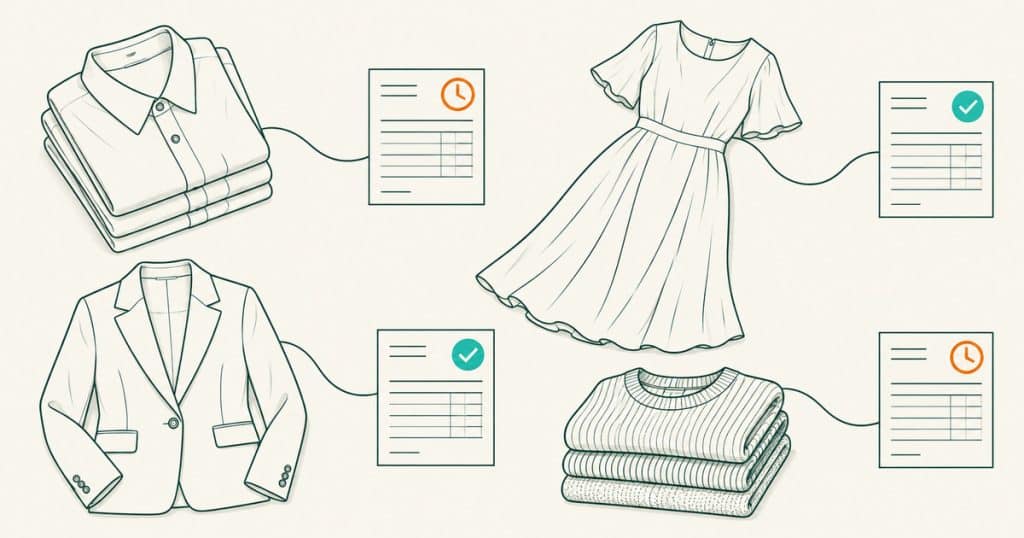






















Jede abgeschlossene Lieferung generiert Papiergeld, aber nicht unbedingt Bargeld in der Kasse. In der Transportbranche warten Betreiber oft 30, 60 oder sogar 90 Tage, um bezahlt zu werden, während sie gleichzeitig die Kosten für Treibstoff, Löhne und Instandhaltung selbst tragen müssen. Dies bedeutet, dass eine einzige unbezahlte Rechnung schnell zu einem ernsten logistischen Problem ausarten kann.
In Europa, 57% Unternehmen haben ihre Wachstumsziele nicht erreicht Aufgrund verspäteter Zahlungen. Im Transportsektor geht es nicht nur darum, häufiger verbreitet Aber auch umstrittener als bei den meisten anderen, da es oft schwieriger ist, die Ursache zu verfolgen, insbesondere wenn Broker oder grenzüberschreitende Ladungen beteiligt sind.
Hier werfen wir einen genaueren Blick darauf, warum Transportunternehmen so stark von Zahlungsrisiken betroffen sind, welche Schritte zu ergreifen sind, wenn eine Rechnung verspätet ist, und wann es sinnvoll ist, einen Insolvenzverwalter einzuschalten. Ein vertrauenswürdiger Inkassopartner.
Gängige Gründe, warum Frachtrechnungen nicht bezahlt werden
Die Transportbranche weist drei wesentliche strukturelle Merkmale auf, die die Gefahr von Zahlungsverzug (und deren gravierende Auswirkungen) gegenüber anderen Branchen erheblich erhöhen:
- Langere Zahlungsfristen. Die Zahlungsfristen in Frachtverträgen sind oft länger als die des Anbieters selbst wünscht; 90 Tage sind nicht ungewöhnlich, besonders bei größeren Spediteuren, die die Bedingungen festlegen.
- Die Beteiligung von Maklern. Makler verschärfen die Situation noch zusätzlich. Denn ein Transportunternehmen kann eine Sendung für einen Spediteur liefern, dann aber stattdessen einen Makler fakturieren. Wenn dieser Makler Zahlungen an Dutzende Transportunternehmen verwalten muss, finanziellen Schwierigkeiten begegnet oder einfach andere Rechnungen priorisiert, kann das Unternehmen auf die Verzögerungen warten.
- Grenzüberschreitende Arbeit. Die Abwicklung einer Forderung in einem anderen Land bedeutet, mit einem Schuldner zu arbeiten, der nach unterschiedlichen Gesetzen und in einer anderen Währung sowie manchmal auch in einer anderen Sprache handelt. Für Unternehmen, die international tätig sind, ist es oft einfacher, die Forderungsgewinnung an lokale Spezialisten auszulagern, als sich allein mit einem unbekannten Rechtssystem zurechtzufinden.
Wie man das Risiko unbezahlter Transportrechnungen verringern kann
All das ändert nichts daran, dass die Kosten weiterhin ansteigen. Ausgaben stoppen nicht, solange eine Rechnung unbezahlt liegt. Und da die Margen bereits sehr gering sind, kann eine Handvoll zahlungsunfähiger Kunden die Finanzen eines Transportunternehmens erheblich beeinträchtigen.
Ein Großteil der oben genannten Risiken Kann reduziert werden Bevor eine Ladung überhaupt ausgeliefert wird. In der Tat können einige praktische Schritte einen erheblichen Unterschied ausmachen:
- Kreditprüfung durchführen. Informieren Sie sich vor der Aufnahme einer neuen Zusammenarbeit mit neuen Maklern oder Spediteuren – insbesondere bei größeren Sendungen oder neuen Geschäftsbeziehungen.
- Alles schriftlich festlegen. Eine klare Vertrags- oder Tarifbestätigung sollte die Zahlungsbedingungen, die vereinbarte Rate und die Erwartungen beider Parteien festlegen. Verbale Vereinbarungen oder unzureichende Dokumentarisierung lassen später Streitigkeiten entstehen.
- Überlegen Sie, ob Sie die Faktorisierung in Betracht ziehen sollten. Die Factoringfinanzierung kann den Zahlungsverzug bei Bedarf ausgleichen und den Cashflow erleichtern.
- Halten Sie die vollständige Dokumentation bereit. Nachweis der Zustellung, unterzeichnet Frachtbrief (BOL) Und jede Korrespondenz bezüglich der Belastung sollte archiviert werden. Falls es zu einer Zahlungsstreitigkeit kommt, bestimmt diese Beweislage oft, ob ein Anspruch einfach geltend gemacht werden kann.
Die Einhaltung dieser Grundregeln kann die Zahlungsunfähigkeit nicht vollständig beseitigen, aber sie stellt ein Transportunternehmen in eine deutlich bessere Position, falls es doch zu einer Streitigkeit oder Nichtzahlung kommen sollte.
Inkassobezorgungen für Transportunternehmen: praktische erste Schritte
Wenn eine Rechnung verspätet ist, besteht die Versuchung, abzuwarten. Dies ist jedoch in der Regel ein Fehler. Frachtforderungen werden nicht einfacher zu begleichen, je länger sie liegen, und ein Schuldner, der seit Wochen keine Nachricht von Ihnen erhalten hat, hat weniger Grund, Ihre Rechnung vor anderen zu priorisieren.
Schauspiel schnell und systematisch Gibt Ihnen die beste Chance, das zu erlangen, was Ihnen fällig ist, ohne zu einer formellen Klage zu übergehen. Folgende praktische Schritte sollten Sie nach Ablauf der Zahlungsfrist befolgen:
- Senden Sie eine Zahlungsaufforderung, sobald die Rechnung fällig wird. Nehmen Sie in dieser Phase nicht an, dass die Nichtzahlung absichtlich erfolgt; halten Sie die Angaben sachlich und professionell und verweisen Sie auf die Rechnungsnummer, den Betrag und die ursprüngliche Fälligkeit.
- Nachkontrolle per Telefon. E-Mails sind leicht zu ignorieren oder auf der Prioritätenliste zu verschieben. Wenn daher innerhalb weniger Tage keine Antwort kommt, stellt eine direkte Kontaktaufnahme den Kontakt her, klärt darüber, ob es sich um einen echten Streit handelt, und signalisiert, dass Sie aktiv die Forderung auszahlen lassen.
- Formale Klageschrift senden. Wenn die Erinnerung und der Anruf keine Ergebnisse bringen, senden Sie einen formellen Brief, in dem der zu zahlende Betrag angegeben wird, auf den ursprünglichen Vertrag (oder die Bestätigung der Tarifhöhe) Bezug genommen wird und eine klare Frist für die Zahlung festgelegt wird. Hier kommt es auf die Tonart an: seien Sie fest und sachlich, ohne aggressiv zu sein.
- Bitte beziehen Sie sich auf Ihre Dokumentation. Wenn der Schuldner eine Streitigkeit erhebt, die Nichtzustellung beansprucht oder die Bedingungen anfechtet, sind der Nachweis der Zustellung und die unterzeichneten Dokumente Ihre stärksten Instrumente, um eine mögliche Auseinandersetzung zu verhindern.
- Senden Sie eine endgültige Mitteilung, bevor es es zu einer Eskalation kommt. Geben Sie deutlich an, dass der nächste Schritt die formale Einziehung oder eine gerichtliche Klage sein wird, und geben Sie der Schuldnerin/dem Schuldner eine letzte Möglichkeit, die Situation zu regeln, bevor dies geschieht.
Während des gesamten Prozesses sollten Sie eine schriftliche Aufzeichnung aller Kontaktaufnahmen führen, einschließlich der Daten, mit wem Sie gesprochen haben und was dabei gesagt wurde. Sollte der Fall weitergehen, wird diese Aufzeichnung von Bedeutung sein.
B2B-Transportschulden: Die Bedeutung, zu wissen, wann man es ernst nehmen sollte
Im Transportsektor verfallen unbezahlte Rechnungen schnell, und der Cashflow hängt vollständig von engen Zahlungszyklen ab. Es kommt zu einem Punkt, an dem die interne Verfolgung eines Schuldners nur noch weniger Rendite bringt und das Risiko einer vollständigen Abschreibung erhöht.
Wenn Sie eines der folgenden Szenarien erleben, ist eine Eskalation der logische nächste Schritt:
- Der Schuldner ist im Ausland ansässig, und Ihr internes Team verfügt weder über die lokalen juristischen Kenntnisse noch über die Sprachkenntnisse, um einen Durchbruch zu erzwingen.
- Ein Frachtbroker oder Spediteur reagiert völlig nicht mehr. In der Logistik signalisiert ein plötzlicher Schweigen oft finanzielle Schwierigkeiten.
- Der Wert der Fracht oder des Vertrags ist so hoch, dass das finanzielle Risiko die externen Erhebungskosten vollständig rechtfertigt.
- Die verhandelbare Phase ist ohne Ergebnis ausgereizt worden: weder eine Zahlung noch ein glaubwürdiges, rechtlich bindendes Zahlungsplan.
Wenn diese roten Flaggen erkennbar werden, stehen zwei Optionen zur Verfügung: die Zusammenarbeit mit einer spezialisierten Inkassobüro oder im schlimmsten Fall die Einleitung von Gerichtsverfahren.
Maximieren Sie die Erholung mit internationaler Expertise ohne Gebühren
Bevor ein Fall vor Gericht anläuft, kann ein lokaler Inkassounternehmen die Forderung oft ohne Zeit- und Kostenaufwand einziehen. Das liegt daran, dass Inkassounternehmen, die in dem Land des Schuldners tätig sind, das rechtliche System kennen, wissen, wie Insolvenzverfahren vor Ort ablaufen und häufig mit branchenspezifischen Streitnormen vertraut sind.
Gerichtsverfahren bleiben eine Option für größere oder besonders wichtige Fälle, in denen die Zahl der Forderungen dies rechtfertigt. Ein guter Inkassopartner kann Ihnen darüber beraten, ob es sich lohnt, das Verfahren einzuleiten. Für kleinere Forderungen ist die Kostenintensität eines Gerichtsverfahrens jedoch oft nicht tragbar.
Da hilft Oddcoll eine Plattform wie diese. Anstatt selbst zu versuchen, eine zuverlässige lokale Agentur zu identifizieren und zu prüfen, Oddcoll vermittelt eine direkte Verbindung zu ausgewählten Partnern für die Sammlung von Gegenständen In mehr als 75 Ländern, die jeweils für ihre Leistung in ihrem Markt ausgewählt wurden.
Sie zahlen erst dann, wenn eine Rückerstattung erfolgt, wodurch das Risiko im Griff bleibt. Der Prozess der Klärung eines Falles ist zudem so einfach, dass er Ihre Arbeitsbelastung nicht wesentlich erhöht.
Für Transportunternehmen mit grenzüberschreitender Geschäftstätigkeit ist es eine praktische Option, diese Art von internationaler Reichweite auf Basis der Kostenpflichtigkeitsgarantie zu nutzen, anstatt sie als letztes Mittel anzuwenden.
Laden Sie Ihre Anfrage hoch bis Oddcoll heute und lassen Sie unsere lokalen Experten die Sache von dort aus weiterverfolgen.