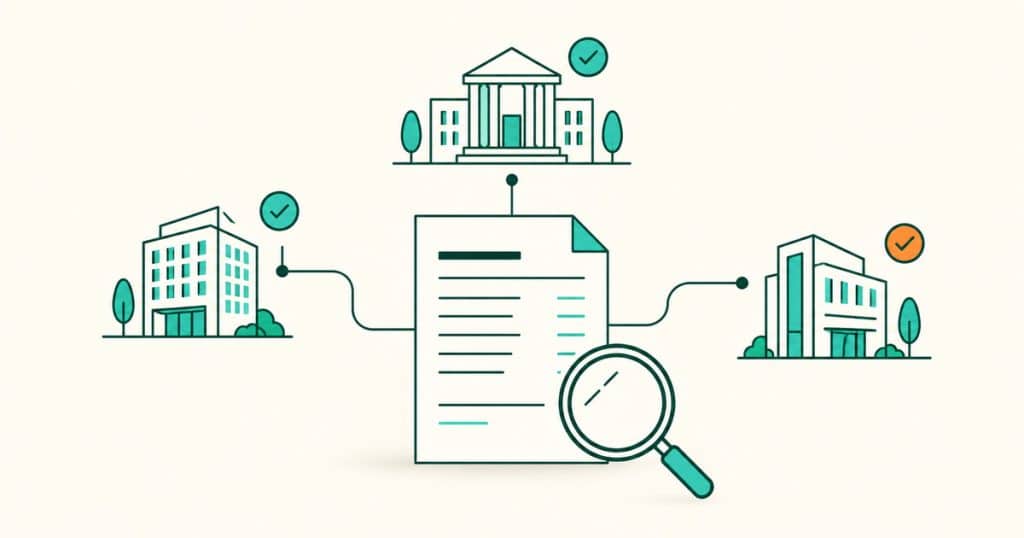






















Pavėluoti mokėjimai yra viena didžiausių ir nuolatinių grėsmių įmonių pinigų srautams visoje Europoje.
Ypač mažoms ir vidutinėms įmonėms jos yra daugiau nei tik administracinis galvosskausmas: kelios vėluojančios sąskaitos faktūros gali greitai sutrikdyti veiklą, atidėti investicijas ir net sukelti grėsmę ilgalaikiam stabilumui. Kai mokėjimai neatliekami, įmonės faktiškai priverstos finansuoti savo klientus be jų sutikimo.
Kad ištaisytų šį nesubalansavimą, Europos Sąjunga pristatė ES vėlavimo mokėti direktyva 2011 m. vasario mėn., kuriuo įmonėms suteikiamos aiškios teisinės teisės, kai sąskaitos faktūros apmokamos pavėluotai. Svarbu tai, kad ši sistema sukurta siekiant atgrasyti nuo vėlavimo apmokėti, leidžiant kreditoriams imti palūkanas ir susigrąžinti papildomas išlaidas.
Šiame straipsnyje aptariama, kas iš tikrųjų yra delspinigiai už vėluojančius mokėjimus, kada jie taikomi ir kaip galite juos pritaikyti praktikoje, ypač bendradarbiaujant su tarptautiniais klientais, kur išieškojimas dažnai yra sudėtingesnis.
Delspinigiai
Pagal Europos sutarčių teisę ir Direktyva 2011/7/ES, delspinigiai yra suma, kurią skolininkas privalo sumokėti papildomai prie vėluojančios sąskaitos faktūros kaip kompensaciją už pavėluotą mokėjimą. Paprastai tariant, jie skirti padengti pinigų, kurie turėjo būti sumokėti laiku, laukimo išlaidas.
Europoje B2B sąskaitoms faktūroms gali būti taikomi du pagrindiniai palūkanų tipai:
- Sutartinės palūkanosDėl to iš anksto susitariate jūs ir jūsų klientas; paprastai tai nurodoma jūsų mokėjimo sąlygose arba sutartyje. Tai gali skirtis, jeigu nėra laikoma nesąžiningu ar piktnaudžiaujančiu veiksmu.
- Įstatyminės palūkanosĮstatymas taiko numatytąją palūkanų normą pagal ES Pavėluotų mokėjimų direktyvą, jei jokia konkrečia norma nebuvo sutarta. Tai užtikrina, kad įmonės būtų apsaugotos net ir nesant išsamių sutarties sąlygų.
Daugeliu atvejų palūkanos pradeda kauptis automatiškai, kai tik sueina sutartas apmokėjimo terminas, o tai reiškia, kad neprivalote informuoti skolininko, kad jos būtų taikomos oficialiai. Vis dėlto, aiškiai nurodytos apmokėjimo sąlygos (įskaitant palūkanas) praktikoje gerokai palengvina jų išieškojimą.
Jūsų teisė į įstatymines palūkanas už pavėluotus mokėjimus ES
Europoje veikiantys verslai naudojasi aiškia teisine baze, kuri atgraso nuo pavėluotų mokėjimų ir apsaugo pinigų srautus. ES Kovos su vėlavimu mokėti direktyva yra šio proceso pagrindas ir nustato minimalias kreditorių teises B2B sandoriuose visose ES valstybėse narėse.
Automatinė teisė skaičiuoti palūkanas
Vienas iš svarbiausių aspektų yra tas, kad delspinigiai už vėlavimą sumokėti taikomi automatiškai, kai tik praeina sutartas mokėjimo terminas.
- Atskirkite pranešimas nereikalingas
- Nėra poreikio iš naujo derėtis dėl sąlygų
- Jūsų teisė taikoma nuo pat vėlavimo pirmosios dienos
Tai pašalina didelę kliūtį vykdymui ir nedelsiant sustiprina jūsų teisines pozicijas.
Minimalioji įstatyminė palūkanų norma
Direktyva taip pat nustato minimalią palūkanų normą. Jei sutartyje jokia norma nebuvo suderėta, taikoma įstatyminė norma, kuri paprastai nustatoma ties Europos Centrinio Banko (ECB) bazinė palūkanų norma ne mažiau kaip 8 procentiniais punktais, kaip nustatyta 3 straipsnio 1 dalies d punkte. Tai užtikrina, kad už pavėluotą mokėjimą skolininkui taikoma reikšminga finansinė pasekmė.
Fiksuotas kompensacinis mokestis (€40+)
Įmonės taip pat turi teisę reikalauti bent 40 eurų dydžio fiksuotos kompensacijos už išieškomas išlaidas už kiekvieną sąskaitą faktūrą, neskaitant palūkanų.
Jei jūsų faktinės išieškojimo išlaidos viršija šią sumą, taip pat galite pareikalauti pagrįstų papildomų išlaidų, pavyzdžiui, teisinių arba išieškojimo mokesčių.
Kaip apskaičiuoti delspinigius už B2B sąskaitas-faktūras Europoje
Prieš palūkanų skaičiavimas, pirmiausia turite nustatyti taikomą palūkanų normą. Pagal ES Vėlavimo mokėti direktyvą, jei sutartyje jokia norma nebuvo suderėta, taikoma įstatyminė norma. Ji nustatoma remiantis:
- Europos Centrinio Banko nustatyta orientacinė palūkanų norma
- Be to, bent 8 procentiniais punktais
Pavyzdžiui, jei ECB atskaitos norma yra 2%, įstatymu nustatyta delspinigių norma būtų ne mažesnė kaip 10% per metus.
Paprastas vėluojančių mokėjimų palūkanų skaičiavimo metodas
Jei norite apytiksliai apskaičiuoti, kiek delspinigių yra skolingi, galite naudoti šią formulę:
Palūkanos = Sąskaitos faktūros suma x (EDB palūkanų norma ÷ 365) x vėlavimo dienos
Todėl, jei išrašote sąskaitą faktūrą 5 000 eurų sumai, taikant 10% metinę palūkanų normą, o mokėjimas vėluoja 60 dienų:
Dienos norma = 10% ÷ 365
Palūkanos = 5 000 € × (0,10 ÷ 365) × 60
Bendras palūkanų dydis ≈ 82,19 €
ES šalių skirtumai
Nors ES Vėlavimo mokėti direktyva nustato vienodą teisinę sistemą visoje Europoje, jos praktinis taikymas skirtingose šalyse skiriasi:
- Kiekviena šalis skelbia savo oficialią delspinigių palūkanų normą
- Šis tarifas paprastai atnaujinamas kas šešis mėnesius (sausio 1 d. ir liepos 1 d.)
- Jis pagrįstas ECB palūkanų norma, tačiau pritaikytas nacionaliniu lygiu
Dėl to tikslus tarifas, kurį galite taikyti, gali skirtis priklausomai nuo to, kur yra įsikūręs jūsų klientas.
Be pačio tarifo, taip pat yra skirtumų, kaip taisyklės yra taikomi ir vykdomos. Mokėjimo kultūra, administraciniai procesai ir teisinis eskalavimas gali iš esmės skirtis tarp tokių šalių kaip Ispanija, Vokietija ir Prancūzija. Kai kuriose rinkose palūkanų imtis yra įprasta ir tikimasi, o kitose tam gali prireikti oficialesnių žingsnių ar atsargaus elgesio, siekiant išvengti ginčų.
Šiuo atveju ne tik įstatymų išmanymas, bet ir supratimas, kaip jie taikomi praktikoje, gali turėti didelės įtakos tam, ar sąskaita galiausiai bus apmokėta. Tokios platformos kaip „Oddcoll“ šią problemą sprendžia teikiant vietinę ekspertizę, sujungiantį įmones su patikrintais šalies viduje veikiančiais skolų išieškojimo specialistais.
Šis požiūris padeda užtikrinti, kad delspinigiai ir išieškojimo veiksmai būtų tvarkomi laikantis vietos taisyklių bei lūkesčių.
Kaip apskaičiuoti ir išieškoti delspinigius už B2B sąskaitas-faktūras Europoje
Teisinė teisė taikyti palūkanas yra vertinga tik tada, kai ji taikoma nuosekliai ir iki galo įgyvendinama. Pagal ES Direktyvą dėl kovos su pavėluotu mokėjimu, delspinigiai paprastai pradeda kauptis automatiškai, kai tik praeina sutartas terminas. Ar sąskaita faktūra bus apmoketa, ar ne, dažniausiai priklauso nuo įgyvendinimo.
Pradėkite nuo aiškių, vykdytinų mokėjimo sąlygų. Jūsų sąlygos turėtų apibrėžti bent jau mokėjimo terminą, taikomą palūkanų normą ir bet kokias papildomas išieškojimo išlaidas. Kai jos aiškiai nurodomos iš anksto, vėliau jas taikyti tampa daug paprasčiau.
Praktikoje įmonės, kurios efektyviai išieško mokėjimus, paprastai laikosi struktūrizuotas priminimų procesas. Iki išsiunčiant galutinį pranešimą, visa mokėtina suma, įskaitant palūkanas, turi būti aiškiai nurodyta.
Jei vidiniai veiksmai neduoda rezultatų ir mokėjimas neatliekamas, procesas turi peržengti priminimų ribas. Tai paprastai reiškia oficialaus reikalavimo pranešimo išsiuntimą ir pasiruošimą trečiųjų šalių įsitraukimui.
Tarptautinio skolinių išieškojimo iššūkiai
Net turint tvirtą teisinį pagrindą pagal ES Pavėluotų mokėjimų direktyvą, tarpvalstybinio išieškojimo vykdymas priklauso nuo to, kaip gerai byla yra tvarkoma skolininko šalyje.
Kalbos barjerai, vietinės teisinės procedūros ir skirtingos mokėjimo kultūros – visa tai turi įtakos rezultatams. Standartizuotas, visiems atvejams tinkantis požiūris skirtingose jurisdikcijose veikia retai.
Būtent čia ypatingą vertę įgyja specializuotas požiūris. Užuot pasikliaujant viena agentūra ar skolų išieškojimą tvarkant viduje, „Oddcoll“ veikia kaip platforma, kuri kiekvieną atvejį perduoda patikrintiems skolų išieškojimo partneriams toje pačioje šalyje.
Kiekvieną atvejį tvarko vietinis specialistas kuris išmano skolininko rinkos teisinę sistemą, kalbą ir komercinius papročius. Svarbu tai, kad šie partneriai yra atrenkami remiantis veiklos rezultatais, o tai reiškia, kad bylos perduodamos agentūroms, turinčioms patvirtintą sėkmės istoriją toje konkrečioje šalyje.
Šis modelis leidžia įmonėms:
- Pritaikyti nuoseklų atkūrimo procesą keliose šalyse
- Užtikrinkite, kad atvejai būtų tvarkomi vietoje, o ne nuotoliniu būdu
- Padidinkite mokėjimo tikimybę pasitelkdami rinkai būdingą kompetenciją
Derindama sistemingą skundų eskalavimą su vietiniu vykdymu, „Oddcoll“ padeda paversti delspinigius už pavėluotus mokėjimus iš teorinės teisės į praktišką skolų išieškojimo priemonę.
Paverskite vėluojančias sąskaitas-faktūras atgautais pinigais
Jei susiduriate su neapmokėtomis tarptautinėmis B2B sąskaitomis, tinkamai parengta procedūra gali padaryti didžiulį skirtumą. „Oddcoll“ padeda įmonėms išieškoti skolas, derindama centralizuotą platformą su vietiniais, už rezultatus atlyginamus skolų išieškojimo partneriais.
Vietoj to, kad patys vaikytumėtės mokėjimų, galite perduoti atvejus specialistams, kurie žino, kaip elgtis kiekvienoje rinkoje, o tai pagerina išieškojimo rodiklius ir taupo laiką.
Susisiekite su vienu iš mūsų išieškojimo specialistų dabar ir pradėkite susigrąžinti neapmokėtas sąskaitas faktūras, naudojant sprendimą, sukurtą tarptautinis B2B skolų išieškojimas.